Choosing the right CPU is one of the most important decisions in any gaming build – it can dictate how smoothly your entire system runs now and years down the line. In this guide, we break down the crowded CPU market into five clear winners, helping you find the best option whether you’re chasing peak gaming performance, building on a budget, or looking for the perfect all-rounder.
Best Gaming CPUs
Best Gaming CPU
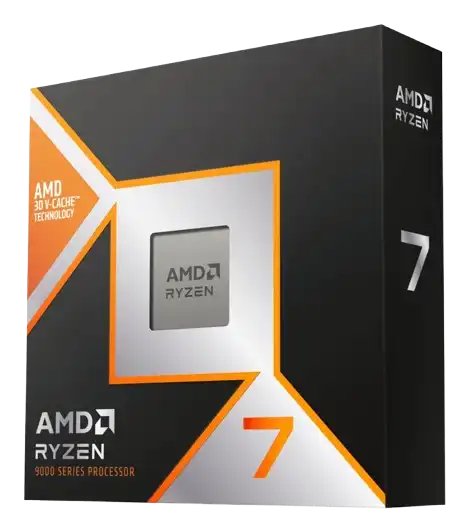
AMD Ryzen 7 9800X3D
The AMD Ryzen 7 9800X3D earns its reputation as the best gaming CPU primarily because of AMD’s second-generation 3D V-Cache technology. By stacking a massive amount of L3 cache directly on the chip (96MB), it dramatically reduces memory latency, which is one of the biggest bottlenecks in modern games.
The result is consistently higher frame rates and, more importantly, far better 1% lows, meaning smoother gameplay with fewer stutters. This cache advantage allows the 9800X3D to outperform even higher-core or higher-clocked CPUs in real-world gaming scenarios, where fast data access matters more than raw frequency.
It handily beats the competition from Intel and is only rivalled by the more expensive Ryzen 9 3D V-Cache options. For future contenders looking to be named the best gaming CPU, the 9800X3D remains the benchmark to beat.
Best Gaming CPUs
Best Overall CPU
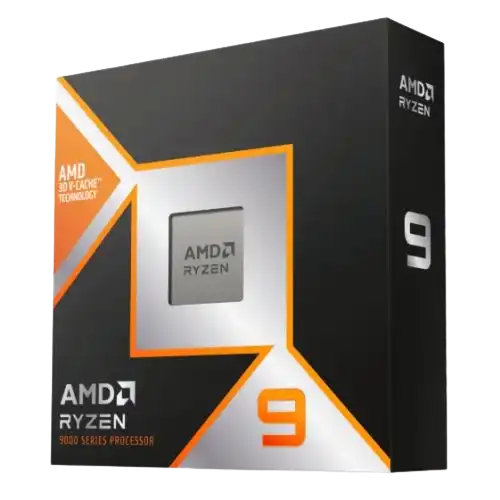
AMD Ryzen 9 9950X3D
Combine AMD’s highest core count Ryzen processor with their latest second-generation 3D V-Cache and you’ll get one of the best processors currently on the market; the Ryzen 9 9950X3D.
It offers exceptional in-game performance that rivals the 9800X3D, while its 16 cores and 32 threads provide the raw horsepower needed for demanding tasks like content creation, rendering, and multitasking.
It falls just short of being named the best gaming processor due to a number of small factors like additional latency between the two 8-core CCDs and its large 3D V-Cache which may result in some lower performance vs the 9800X3D as well as its higher asking price. Make no mistake though, the Ryzen 9 9950X3D is currently the best CPU for a mixture of productivity work and gaming.
Best Gaming CPUs
Best Mid-Range Gaming CPU
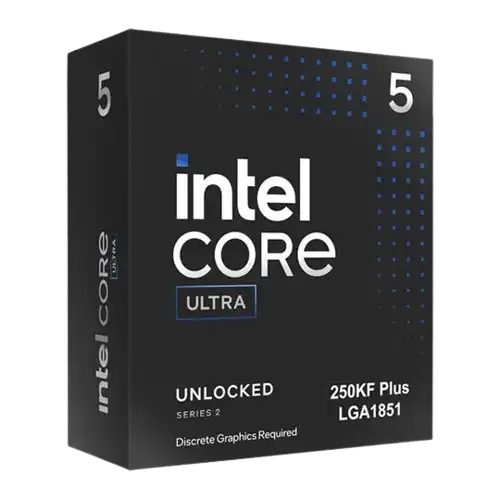
Intel Ultra 5 250K Plus
The Intel Core Ultra 5 250K Plus earns its place as the best mid-range gaming CPU by striking an exceptionally strong balance between price and performance.
Delivering gaming performance that rivals and often beats it closest competitor in the Ryzen 5 9600X, the 250K Plus is the first real signs of a fight back from Intel as they try to regain their crown from AMD.
It also excels in multi-core performance thanks to its 18-core configuration, making it a great choice for PCs with a mixture of productivity and gaming workloads.
Best Gaming CPUs
Best Budget Gaming CPU
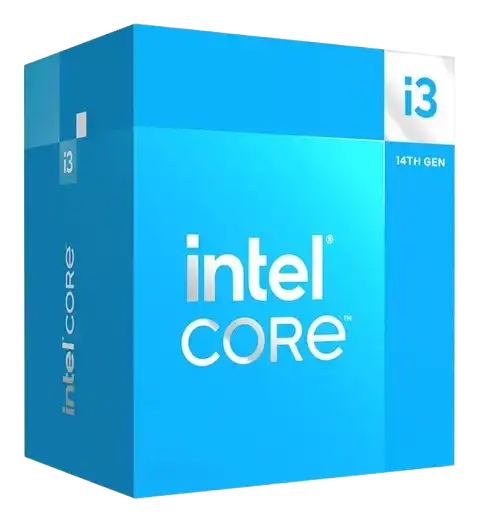
Intel Core i3 14100F
The i3 14100F focuses on what matters most in a budget gaming CPU; strong single-core performance and exceptional value. For less than £100, this plucky quad-core CPU goes toe-to-toe with the likes of AMDs Ryzen 5 5500 and often trades blows or outperforms it across multiple titles.
Having the option to use DDR4 RAM at a time when RAM prices are soaring also factors in to this CPUs budget prowess; paired with a cheap H610 or affordable B660 motherboard you’ll be able to spend more of your limited budget on the graphics card to increase your computer’s overall gaming performance.
While it doesn’t offer the high-core counts of the processors we’ve already covered, it excels in “Bang for buck” which is essential for this category.
Best Gaming CPUs
Best Gaming APU
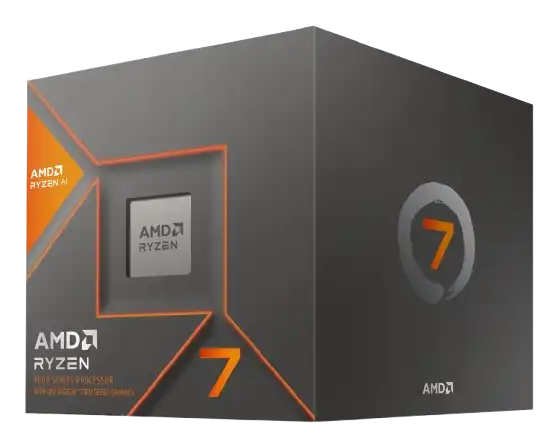
AMD Ryzen 7 8700G
The Ryzen 7 8700G stands out as the best APU for gaming because it delivers something no other desktop chip currently can: genuinely playable gaming performance without a dedicated graphics card. Its integrated Radeon 780M GPU, built on RDNA 3 architecture, is widely regarded as the most powerful iGPU available, capable of running modern games at 1080p with low to medium settings and smooth frame rates.
What makes it even more compelling is how it fits into a long-term upgrade strategy. Built on AMD’s AM5 platform, the 8700G gives you access to AMD’s current and future CPU ecosystem, meaning you can start with a GPU-free system and later drop in a powerful discrete graphics card without replacing your motherboard. You’ll even have the option of dropping in a new CPU once you’ve added a discrete solution, extending the life of your PC and giving it a performance boost.
It’s a solid choice for those looking to dabble in PC gaming without taking the full plunge and offers great upgrade options for the future.